INVIMA Colombia Medical Device Registration
Last reviewed:
Plan INVIMA market entry with the correct device or IVD category, local application and importer roles, Spanish documentation and Colombian postmarket controls.
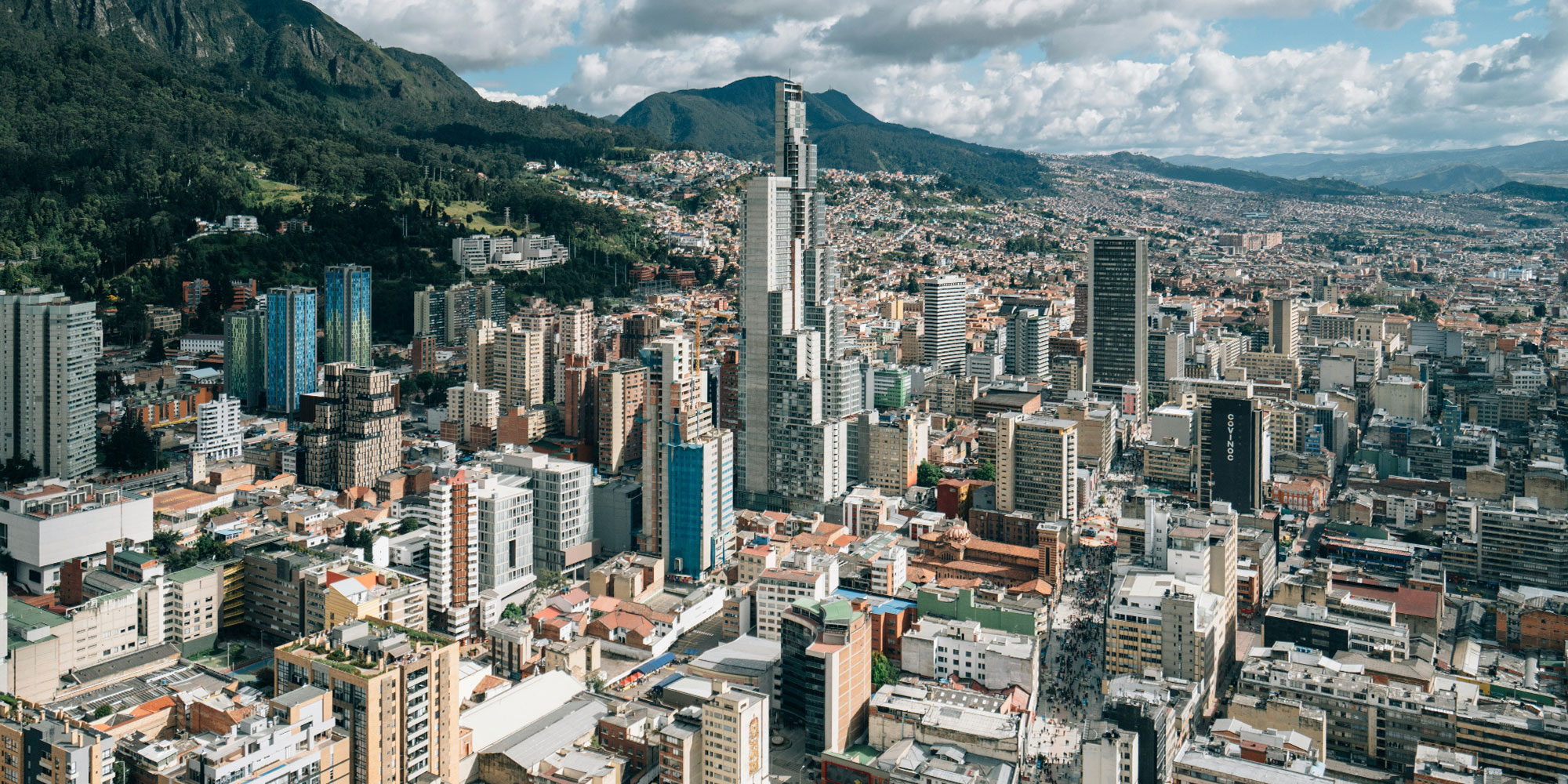
How to register a medical device in Colombia
Colombia medical device registration and INVIMA scope
INVIMA administers the Colombian device framework, including Decree 4725/2005 for medical devices and the separate IVD framework under Decree 3770/2004. Confirm product qualification, class and whether controlled-technology biomedical-equipment provisions apply before choosing a procedure.
| Product situation | Route to assess | Main qualification |
|---|---|---|
| Ordinary Class I or IIa medical device | Automatic sanitary registration | Complete legal and technical conditions still apply; subject to oversight |
| Ordinary Class IIb or III medical device | Sanitary registration with applicable evaluation | Class-appropriate technical and safety/performance evidence |
| Controlled-technology biomedical equipment | Applicable marketing permission | Do not treat it as an ordinary risk-class-only registration |
| IVD | Category I, II or III under the separate IVD rules | Apply the IVD procedure and evidence requirements |
“Automatic” does not mean unregulated or guaranteed acceptance of an incomplete file. Use INVIMA’s device procedure page and official FAQs for the current application category. A foreign class or reference approval does not independently determine the Colombian result.
Local roles, importers and CCAA
Define the applicant/holder, authorized representative where applicable, importers and distributors. The registration record and contracts should identify the actual parties and activities. Import/storage operations must meet the applicable establishment and Certificate of Storage and Conditioning Capacity (CCAA) requirements or relevant exceptions.
The regulatory contact is not automatically the importer of record, and a commercial distributor does not acquire every regulatory duty merely by signing a sales agreement. Establish dossier access, renewal authority, adding/changing importers, vigilance escalation, recalls and a transfer process before submitting.
Documentation and Spanish-language planning
Prepare administrative and authorization documents, manufacturer/site identity, intended use, classification rationale, product description, model range, reference-market/free-sale evidence where required, quality evidence, labels and IFU. Add testing, risk and clinical/performance evidence appropriate to the class and route. Check legalization/apostille and official translation requirements for foreign legal documents rather than applying one blanket treatment to every report.
Use the classification guide to establish the route, regulations guide for the filing framework and labeling guide for product information. Keep all files aligned with the same manufacturer, intended use, models and sites.
Identification, semantic reporting and launch controls
Resolution 1405/2022 addresses semantic standards and coding. Assess the current reporting scope, responsible party and implementation instructions. Do not equate the entire scheme with a universal requirement to obtain one specific foreign UDI code before every application.
Before shipment, reconcile registration or permission, approved scope, importer/CCAA status, Spanish labels, customs permissions and distribution records. Record the actual issued validity and current renewal procedure. Fee categories and review requirements differ; separate application preparation, authority processing, questions and commercial import readiness in the schedule.
Postmarket compliance and changes
Operate a Colombian technovigilance program with clear manufacturer, holder and importer interfaces. Serious events and international safety alerts affecting Colombian products need timely assessment; periodic reporting is not a substitute for urgent notification. IVD safety reporting follows the applicable reactive-vigilance framework rather than automatically every medical-device rule.
Use the postmarket guide to plan reporting, recalls and field actions. Assess device, site, labeling, holder and importer changes before implementation. Pure Global can support dossier preparation and local coordination within a documented service scope; INVIMA determines the regulatory outcome.
 Regulatory Update · Aug 27, 2026INVIMA Wearable Medical Device ClassificationCase Study · Aug 5, 2026INVIMA Registration Under a Neutral HolderRegulatory Update · Nov 11, 2025Colombia INVIMA 2026 Guidance Clarifies UDI-DI Requirements for Class IIa Medical DevicesRegulatory Update · Sep 10, 2024Weekly Regulatory News: Sep 3-9, 2024Blog · Aug 24, 2026Medical Device Registration Verification 2026Blog · Jul 27, 2026IVD Global Market Access 2026Blog · May 29, 2026Turn FDA & EU Approvals Into Global Market AccessBlog · Sep 23, 2025Medical Device Registration Costs and Timelines for Brazil, Mexico, and ColombiaVideo · Sep 11, 2026Colombia Decree 4725: Map the Device RequirementsVideo · Sep 11, 2026INVIMA: Your Colombia Device Roadmap

Faster submissions. Predictable costs. Local support.
We provide turnkey regulatory support in Colombia, all for a flat annual fee:

Dossier preparation and submission, powered by AI assisted workflows and regulatory experts.
In country representation, with Pure Global serving as your Legal Representative.
Post market surveillance support, including vigilance reporting and authority communications.
Changing or adding importer(s) to registrations, CCAA licensing, post approval modifications, and renewals.

Frequently asked questions
No. The applicant must meet the legal and technical requirements and retain compliant supporting evidence. Automatic registration does not remove oversight, labeling, importer or postmarket responsibilities.
No. Controlled-technology biomedical equipment has specific permission provisions. Confirm the product category and applicable route rather than applying the ordinary-device Class I/IIa versus IIb/III distinction universally.
No. Define the applicant/holder, representative, importer and storage/distribution activities separately. Assess CCAA and other permissions for the actual operations and document changes and safety-reporting responsibilities.
Single Process,
Multiple Markets
When you partner with Pure Global, a single registration process opens doors to multiple countries. Our global subsidiaries make this streamlined path possible.


Let's Talk,
Anywhere You Are.
Whether looking for more information or ready to partner with us, we're here to guide you through every step of the regulatory process.
Contact us