DGDA Bangladesh Medical Device Registration
Last reviewed:
Plan Bangladesh medical device access through the applicable DGDA pathway, with local responsibilities, product evidence, labeling and lifecycle controls defined before launch.
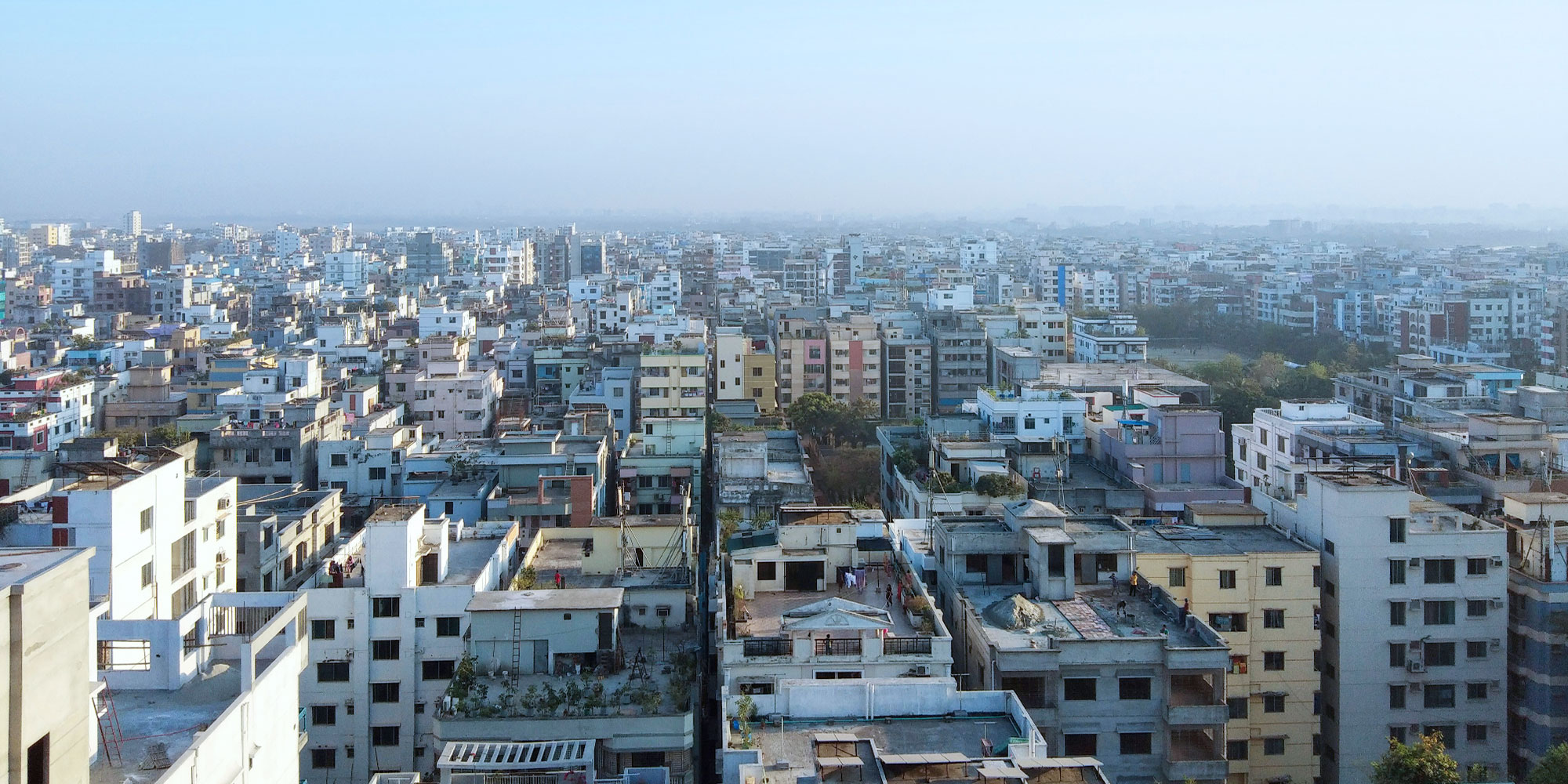
Understanding Device Classifications and Regulatory Requirements in Bangladesh
Medical devices and in vitro diagnostics in Bangladesh are overseen by the Directorate General of Drug Administration (DGDA) under the Ministry of Health and Family Welfare. DGDA manages product registration, establishment activities, import controls, inspections, and post-market enforcement. Because forms and implementation practice can change, applicants should confirm the current process through the official DGDA website.
Bangladesh medical device classification
Bangladesh uses a risk-based medical device framework. The product's intended use, invasiveness, duration of contact, active functions, and possible harm if it fails influence its class and the evidence expected. IVDs require their own risk analysis, particularly where an incorrect result could create an individual or public-health risk. A written classification rationale should be completed before preparing the dossier or estimating timelines.
Local applicant and establishment readiness
A manufacturer without a Bangladesh legal entity generally appoints a locally licensed importer or authorized representative to interact with DGDA and support importation. The local entity's establishment permissions and the manufacturer's authorization should be in place before the product filing. The commercial agreement should address ownership and access to the dossier, renewal responsibilities, regulatory changes, complaint escalation, adverse-event reporting, recalls, and the transfer of registrations if representation changes.
Registration evidence
The exact file depends on risk and product type, but commonly includes administrative forms, manufacturer and site details, quality-management-system evidence such as ISO 13485, intended use, classification rationale, device descriptions, labeling and instructions for use, authorization letters, reference-market approvals or free-sale evidence where applicable, and test, clinical, or performance evidence proportionate to the claims. Translations and locally required labels must remain consistent with the approved product.
Applicants should allow time for document questions, legalized or authenticated records where requested, import permissions, and any samples or testing required for the route. A certificate or approval in another market can support the evidence package but does not replace a Bangladesh-specific assessment.
Lifecycle compliance
Before commercial shipment, verify the current registration, approved models and sites, local establishment license, labeling, and import documents. Manufacturers and local partners need working procedures for complaints, distribution records, vigilance, field safety corrective actions, and recalls. Design, intended-use, manufacturing-site, software, labeling, or quality-system changes should be assessed for DGDA notification or approval before implementation.
Bangladesh pathway and evidence decisions
| Workstream | Local requirement or decision |
|---|---|
| Class A | Lower-risk information/conformity route under DGDA guidance |
| Classes B/C/D | Registration with the applicable technical and QMS evidence |
| Imported product | Manufacturer authorization and locally eligible import/applicant activities |
| Evidence package | Intended use, classification, quality certificates, labels and test/performance records |
DGDA’s published registration guidance and current imported-device checklist should be read together. Verify the actual certificate term and current application instructions; do not assume that every Class A record is perpetual or every product receives a decision within one fixed quarterly cycle. Prepare the full file before committing to a launch date.
Use the official DGDA instructions for the filing scope. Maintain a controlled record of the chosen route, current evidence, open gaps, responsible parties and authority responses. Separate fees, document preparation, review and applicant work when planning the launch.
For a multi-country program, use the market directory to coordinate evidence reuse while retaining the local applicant, language, registration and postmarket requirements for each destination.
 Blog · Aug 24, 2026Medical Device Registration Verification 2026Regulatory Update · Nov 1, 2026Hong Kong MDACS Recognised StandardsRegulatory Update · Oct 27, 2026Pakistan DRAP PSW Device Import RulesRegulatory Update · Oct 20, 2026Singapore HSA Integration and HTA ScopeRegulatory Update · Oct 17, 2026TFDA Clinical Trial E-SubmissionsCase Study · Aug 5, 2026Vietnam IVD Registration for an Oncology AssayBlog · Nov 2, 2026Five-market device change controlBlog · Oct 5, 2026China GMP inspection preparationBlog · Sep 6, 2026One Device, Three UDI DatabasesVideo · Oct 16, 2026South Korea MFDS: Device Registration
Tailored Support for Market Entry
Our local partner’s expertise in Bangladesh's medical device market offers you:

Assistance with the classification and grouping of your products to outline the regulatory pathway.
Preparation and compilation of the technical dossier required for DGDA registration.
Representation as your Authorized Representative, managing the registration process with the DGDA and ensuring adherence to post market regulatory obligations.

Frequently asked questions
DGDA guidance uses Classes A–D with increasing risk. Apply the local intended-use and risk criteria, then determine the corresponding information, technical and quality-evidence requirements rather than copying a foreign class.
No. Identify the product route, current submission requirements, local readiness and outstanding evidence. Authority questions, document completeness and procedural timing can affect the actual calendar plan.
Confirm eligible applicant/import activities and manufacturer authorization, then document dossier access, changes, certificate maintenance, complaints, vigilance, recalls and handover. Commercial distribution alone does not define every regulatory responsibility.
Single Process,
Multiple Markets
When you partner with Pure Global, a single registration process opens doors to multiple countries. Our global subsidiaries make this streamlined path possible.


Let's Talk,
Anywhere You Are.
Whether looking for more information or ready to partner with us, we're here to guide you through every step of the regulatory process.
Contact us